
100+ Hours of Content: How Digital Storytelling Shaped My Creative Voice

By Grace Le
Introduction: From Passive Scroller to Active Storyteller
This semester in COM-202: Digital Storytelling was more than completing assignments—it redefined how I interact with media. As both a critical consumer and an emerging content creator, I learned to analyze media narratives, craft meaningful stories, and, most importantly, discover my own voice.
From investigating food waste on campus to visually critiquing global branding at Starbucks, every project showed me that digital storytelling is more than just production—it’s about intentionality, empathy, and impact.
1. Media Literacy: Learning to Be a Critical Consumer of Content
Media literacy, as emphasized by scholars like Renee Hobbs and Dan Gillmor became my compass this semester. Hobbs’ Digital and Media Literacy: A Plan of Action (2011) taught me how to analyze, evaluate, and create media responsibly. Meanwhile, Dan Gillmor’s Mediactive introduced a mantra I now live by: “Be skeptical, not cynical.” In a world of deepfakes, algorithmic manipulation, and curated online personas, asking the right questions—like “Who made this and why?”—is critical.
Projects That Applied These Concepts:
Investigative Articles: I explored how my university’s buffet-style dining system contributes to both food waste and eating disorders. I verified facts through trusted sources like the Food Recovery Network and conducted interviews with students, staff, and professors. This echoed Gillmor’s challenge to “question everything” and prioritize diverse perspectives. I also investigated how color influences behavior and emotion, which helped me connect visual strategy with communication theory, deepening my understanding of how even subtle creative choices can drive impact.
Visual Essay on Starbucks Reserve Roastery: I created a 13-image sequence critiquing Starbucks’ crafted illusion of luxury. Close-ups of $10 pastries contrasted with a barista’s exhausted expression to reveal class disparities and labor tension.

(Image 1: Starbucks Reserve Roastery from my Visual Essay)
Together, these experiences taught me to think critically, seek out multiple viewpoints, and create media with intention and integrity.
2. Content Creation: Crafting Stories that Stick
While analyzing media was crucial, learning to build meaningful content was just as transformative.
PSA “Lift the Silence”
In my mental health PSA, I used visual metaphors like a backpack overloaded with textbooks to represent academic pressure and a rock symbolizing everyday obstacles. The story transitioned from cold blue tones to warm amber hues, enhancing the emotional shift. But the most impactful moment was unscripted—a spontaneous hand squeeze between actors that conveyed vulnerability in a raw, unforgettable way.

Podcast: “How English Varies Across Different Accents”
This podcast marked a major milestone in my storytelling journey—it was the first time I had ever recorded, conducted interviews, and edited a podcast from start to finish. It was challenging but rewarding in all the right ways. I used Adobe Audition to layer natural sound, clean up audio, and mix interviews. Each task —cutting filler words, timing transitions, adjusting volume levels—required focus and experimentation.
In the episode, I interviewed international students (including myself) about how their accents shaped their experiences speaking English. To honor their cultural identities, I layered background music reflective of each speaker’s home country when they spoke. This helped create a more immersive and emotionally resonant experience.
As a non-native English speaker from Vietnam, this project was personal. It taught me how to build connections using sound alone, and gave me confidence that I can learn new platforms, take creative risks, and create something powerful from scratch.
3. Finding My Voice: Developing My Creative Identity
This course has been crucial in helping me find my voice as a storyteller. My approach evolved from scripted and observational to spontaneous and empathetic. Empathy is now the foundation of my storytelling process.
Mini-Documentary: “Blossoms of Gratitude.”
My growth as a storyteller is particularly evident in the mini-documentary I produced. While filming, I was deeply moved by the reactions of the faculty and staff— their heartfelt gratitude made the project feel profoundly meaningful. One unforgettable moment showed a 45-year Furman professor receiving flowers, sparking tears of joy and heartfelt appreciation. It reinforced my goal of creating a documentary that would evoke the same emotions in the audience, allowing them to build connections along the way.
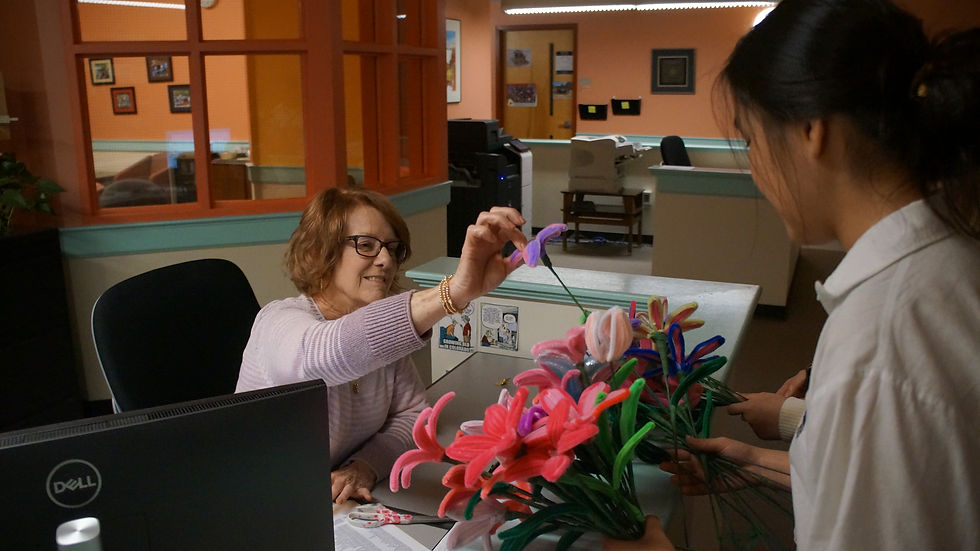
I carefully selected soft, reflective music to match the tone of each scene—music that complemented, rather than distracted from, the emotions. As the director, I had to balance creative vision with team coordination, ensuring the end product reflected the heart of our message.
I’ve grown from a hesitant speaker into a confident, intentional creator. My voice isn’t just in what I say—it’s in my editing choices, sound design, visual framing, and most of all, the empathy behind the camera.
4. Looking Ahead: How Digital Storytelling Will Shape My Future Career
As a Business Administration major and Visual Strategy minor, I’ll take everything I’ve learned in COM-202 far beyond the classroom.
How I’ll Apply These Skills:
In Advertising: My understanding of storytelling and color psychology (from a related article I wrote) will help me create campaigns that connect emotionally— using warm tones to evoke comfort, or bold hues to inspire urgency.
Representation & Authenticity: I’ve learned to prioritize inclusive and empathetic storytelling. Whether I’m working on social media content or a full campaign strategy, I’ll make sure voices are heard and stories are told with care.
Project Management: From scheduling shoots to coordinating edits, I’ve gained hands-on experience with creative workflows that directly apply to roles in marketing, advertising, or agency work.
Critical Thinking & Collaboration: I can now evaluate campaigns more effectively, adapt strategies based on feedback, and communicate fluently with content creators— skills that will make me a better marketer, collaborator, and leader.
Conclusion: Stories Are How We Make Meaning
This course gave me more than technical skills—it gave me a creative identity. I now understand that the best stories don’t just inform or entertain. They inspire. They challenge. They connect.
Whether I’m launching a brand campaign or advocating for social change, I’ll approach every project with empathy, clarity, and purpose.
Embedded Links to My Work
Watch “Lift the Silence” – PSA on Mental Health
Listen to My Podcast: English & Accents
View My Mini-Doc: Blossoms of Gratitude
References
Hobbs, R. (2011). Digital and Media Literacy: A Plan of Action
Gillmor, D. (2011). Mediactive
Food Recovery Network


Comments