
“No More Calorie Counting!” - Hana’s Journey Through Food Guilt

Life as an international student has never been easy, especially for Hana, a Vietnamese freshman at Furman University who recently overcame a lifetime challenge: An eating disorder. Being far away from home, combined with adjusting to new eating habits, has poisened Hana's relationship with food, trapping her in a cycle of restriction and guilt. However, through effort, encouragement, and strength training, she restored her health and is becoming more confident in her body. Here's how her inspiring narrative can motivate others facing similar challenges.
Cultural Differences: The Root of the Struggle
When Hana first came to the United States, she was excited to immerse herself in American culture, something she had always been looking for since living in Vietnam. However, the stark contrast in eating habits quickly overwhelmed her. "Vietnamese meals are light, well-balanced, and flavorful," she shares. "We eat a variety of meats, steamed vegetables, and soups for main meals like lunch or dinner. But everything here felt heavier, too sugary, and the portions were just too big for me."
At first, Hana brushed off the small changes in her body, thinking they were normal. "I was mostly enjoying my time with friends in the Dining Hall or other food court like Chick-fil-a, Moe's, trying out all the typical American foods—burgers, pizza, and sweets, you name it”, as she recalls her first semester at Furman. "But soon, I found my clothes fitting tighter, and my energy seemed to be more sluggish."
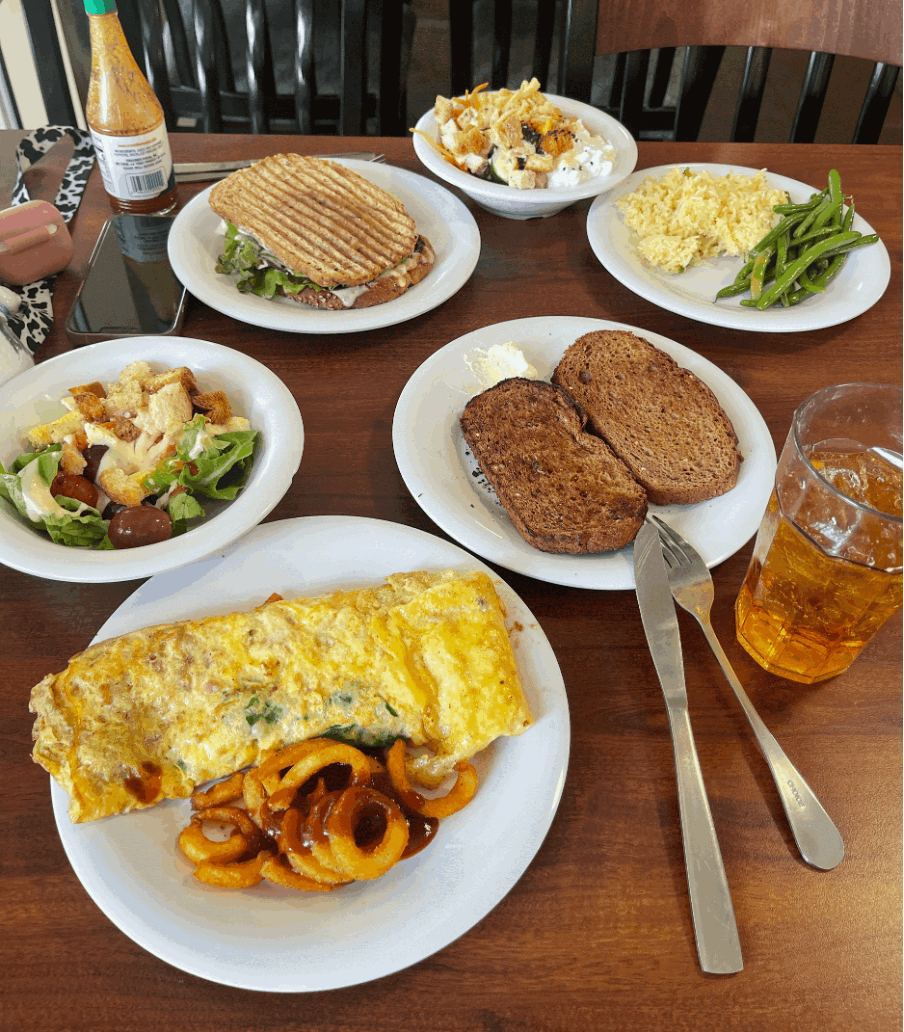
(Hana's typical meal with friends at the Dining Hall - Source: Hana Nguyen)
"I started overeating without even realizing it, but then I felt so guilty that I tried to aggressively cut my calories to compensate, just to feel starving at night", she confesses. That moment was when Hana began using different apps to track her calorie intake like Eato and Myfitnesspal. However, despite her best efforts, the deteriorated relationship with food only worsened due to the stress from computing calories every single meal. When her efforts did not reflect on the scale, anxiety set in. "I thought controlling every calorie would fix everything, but it made me feel even more lost," she says.
The Breaking Point and Decision to Change
One of the most pivotal moments for Hana during the journey was having an open discussion with her best friend, Rachel. "She started talking about dieting a lot, avoiding our typical lunch hangouts, and trying to skip meals with weird excuses”, Rachel says. Noticing those signs, she encouraged Hana to seek professional assistance from the university’s counseling center: The Trone Center for Mental Fitness.
With guidance from a counselor, Hana soon acknowledged the underlying causes of her eating struggles and how cultural adjustments impacted her mindset. “The meeting was really helpful! I realized that the buffet-style dining setup was a big trigger for me,” she confidently admits. “I would try a bit of everything and end up eating more than I needed.”
Strength Training: A New Beginning
On the counselor’s recommendation, strength training became the game-changer in Hana’s recovery. “At first, I was intimidated. I didn’t know how to use the equipment and I felt like everyone was watching me!” she giggles as she recalls. “But having Rachel by my side made it so much easier.”
For Hana, strength training was more than just exercise—it helped her reconnect with her old sense of self. "I started setting small goals for myself, like lifting heavier weights or doing more reps. Slowly, I shifted my focus from losing weight to becoming healthier," Hana mentions. "It taught me that I should celebrate what my body could do, rather than criticize how it looked."

The Role of Friendship and Support
Rachel’s unwavering support played a pivotal role in Hana’s journey. “She never judged me,” Hana smiles when mentioning Rachel. “When we missed Vietnamese food, we’d cook it together in our dorm kitchen. Having someone who listened and encouraged me without any pressure was invaluable.”
Hana also found comfort in the university’s counseling programs and the friends she made there: “Talking to people who had been through similar experiences really helped,” she shares. “It reminded me that I wasn’t alone.”
Advice for Others Facing Similar Challenges
Hana’s experience offers 4 tips for anyone dealing with an eating disorder or adjusting as an international student:
● Seek Help: Reach out to a counselor, a trusted friend, or a support group as soon as you realize a problem. Remember, you don’t have to face it alone!
● Celebrate Progress Over Perfection: Small victories, like eating out once per week or hanging out with friends, matter.
● Reconnect with Your Roots: Find small ways to stay connected to home, like calling your family or cooking your favorite dishes.
● Shift to a Healthier Mindset: Focus on what your body can do rather than how it looks.
Conclusion: A Journey of Strength
Today, Hana feels stronger and more confident in herself. “Recovery isn’t a straight path,” she says thoughtfully. “But every little step forward counts. I’m learning to appreciate my journey and be more gentle with myself.”
Hana’s story proves that healing is possible with the right support, determination, and resources. Like Hana, you can find your strength and grow!
Resources for Help


Comments